Instruments by Science Group
 Macromolecular
 Soft Condensed
  Imaging and
 Biological
 Magnetic
 Structures and
 Crystallography
  Spectroscopy
 I23 Contact
Beamline Phone Number:
+44 (0) 1235 567406
Principal Beamline Scientist:
Armin Wagner
Tel: +44 (0) 1235 778560
E-mail: [email protected]
Science Group Leader
Dave Hall
Email: [email protected]
Tel: +44 (0) 1235 778926
The long-wavelength macromolecular crystallography beamline I23 is a unique facility for solving the crystallographic phase problem, and/or identify and locate lighter atoms of biological relevance such as S, P, Cl, K and Ca.
 Structures of proteinase 3 and the CD177 receptor complex reveal a major autoantibody epitope. EMBO Rep. 2026.
 Experimental localization of metal-binding sites reveals the role of metal ions in type II DNA topoisomerases. PNAS. 2024
 Utilizing anomalous signals for element identification in macromolecular crystallography. ActaD. 2024.
 Ray-tracing analytical absorption correction for X-ray crystallography based on tomographic reconstructions. J. Appl. Crystallogr. 2024
 Molecular mechanism of BMP signal control by Twisted gastrulation. Nat Commun. 2024.
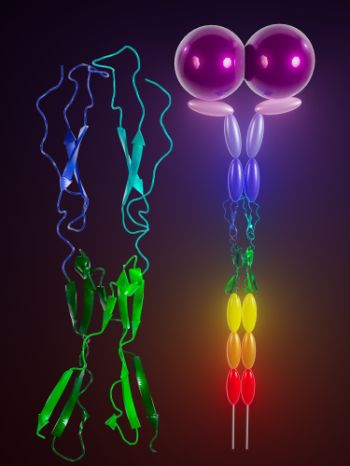 Structure and function of Semaphorin-5A glycosaminoglycan interactions.Nat Commun. 2024
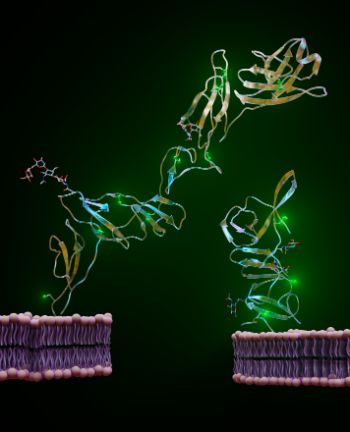 Structural comparison of typical and atypical E2 pestivirus glycoproteins. Structure 2024.
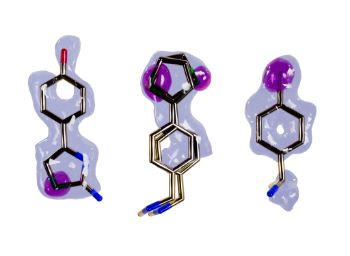 High-confidence placement of fragments into electron density using anomalous diffraction - a case study using hits targeting SARS-CoV-2 ...
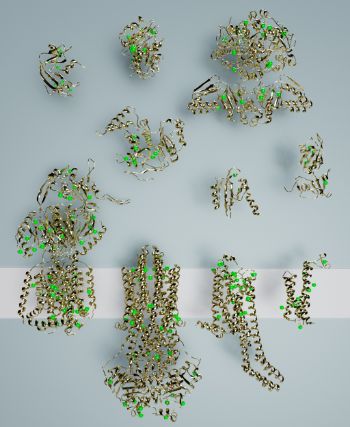 Experimental phasing opportunities for macromolecular crystallography at very long wavelengths. Commun Chem. 2023.
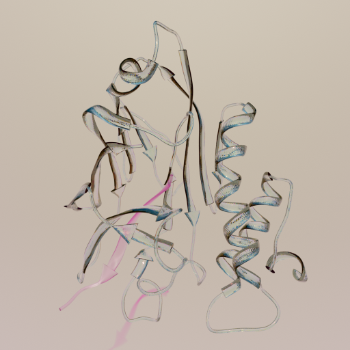 GPR97 triggers inflammatory processes in human neutrophils via a macromolecular complex upstream of PAR2 activation. Nat Commun. 2022.
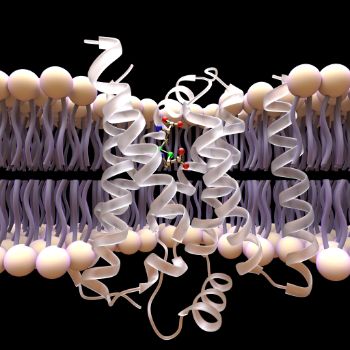 Structural basis for proton coupled cystine transport by cystinosin. Nat Commun. 2022.
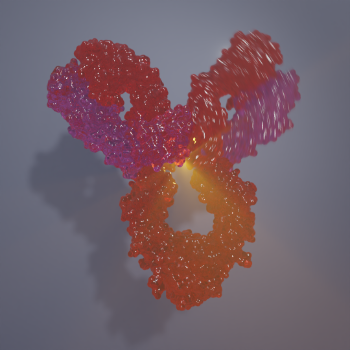 Hinge disulfides in human IgG2 CD40 antibodies modulate receptor signaling by regulation of conformation and flexibility. Sci. Immunol. 2022.
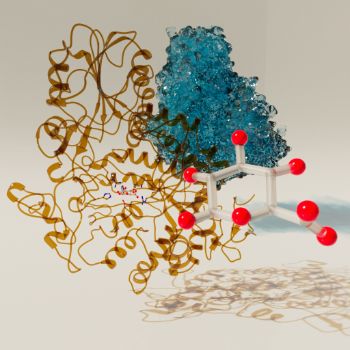 Functional metagenomic screening identifies an unexpected β-glucuronidase. Nat. Chem. Biol. 2022.
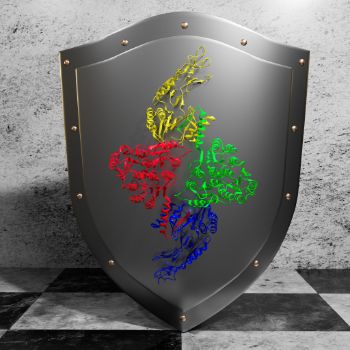 Structure and assembly of the S-layer in C. difficile. Nat Commun. 2022.
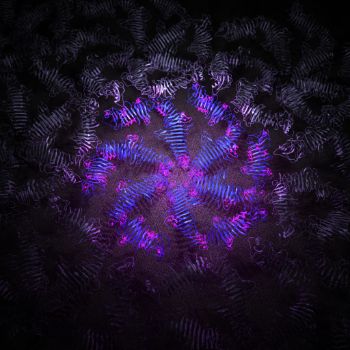 High-resolution mapping of metal ions reveals principles of surface layer assembly in Caulobacter crescentus cells. Structure, 2022.
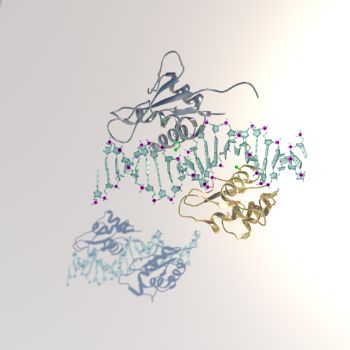 Phosphorus and sulfur SAD phasing of the nucleic acid-bound DNA-binding domain of interferon regulatory factor 4. ActaF, 2021.
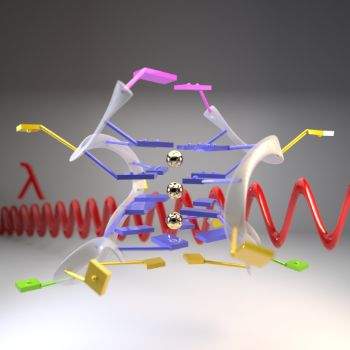 Native de novo structural determinations of non-canonical nucleic acid motifs by X-ray crystallography at long wavelengths. Nucleic Acids Res. 2020.
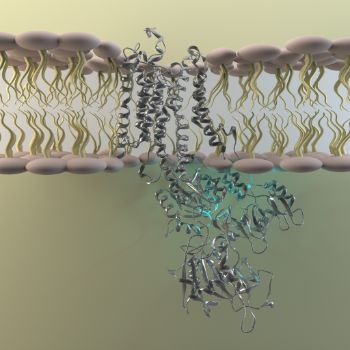 Experimental phasing with vanadium and application to nucleotide-binding membrane proteins. IUCrJ. 2020.
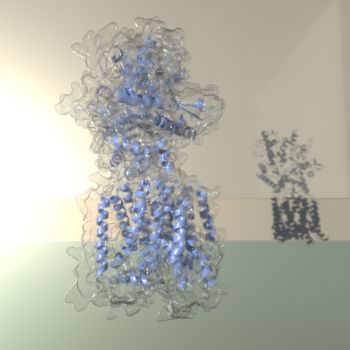 The morphogen Sonic hedgehog inhibits its receptor Patched by a pincer grasp mechanism. Nat Chem Biol. 2019.
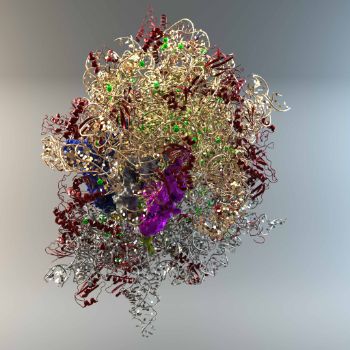 Importance of potassium ions for ribosome structure and function revealed by long-wavelength X-ray diffraction. Nat Commun. 2019.
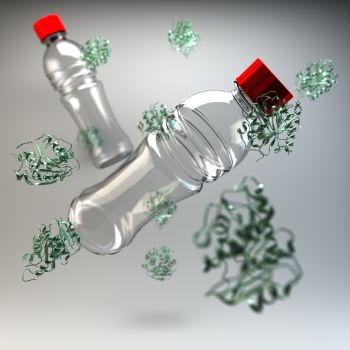 Characterization and engineering of a plastic-degrading aromatic polyesterase. PNAS, 2018.
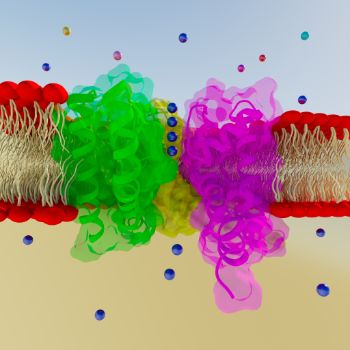 Anomalous X-ray diffraction studies of ion transport in K+ channels. Nat Commun. 2018.
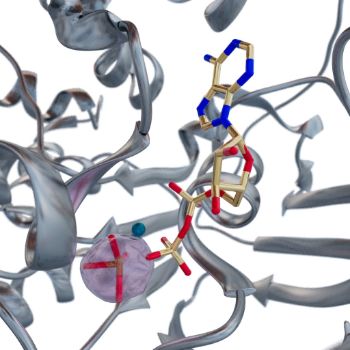 Structural basis for antibacterial peptide self-immunity by the bacterial ABC transporter McjD. Embo J. 2017.
×
 Structures of proteinase 3 and the CD177 receptor complex reveal a major autoantibody epitope. EMBO Rep. 2026.
 Experimental localization of metal-binding sites reveals the role of metal ions in type II DNA topoisomerases. PNAS. 2024
 Utilizing anomalous signals for element identification in macromolecular crystallography. ActaD. 2024.
 Ray-tracing analytical absorption correction for X-ray crystallography based on tomographic reconstructions. J. Appl. Crystallogr. 2024
 Molecular mechanism of BMP signal control by Twisted gastrulation. Nat Commun. 2024.
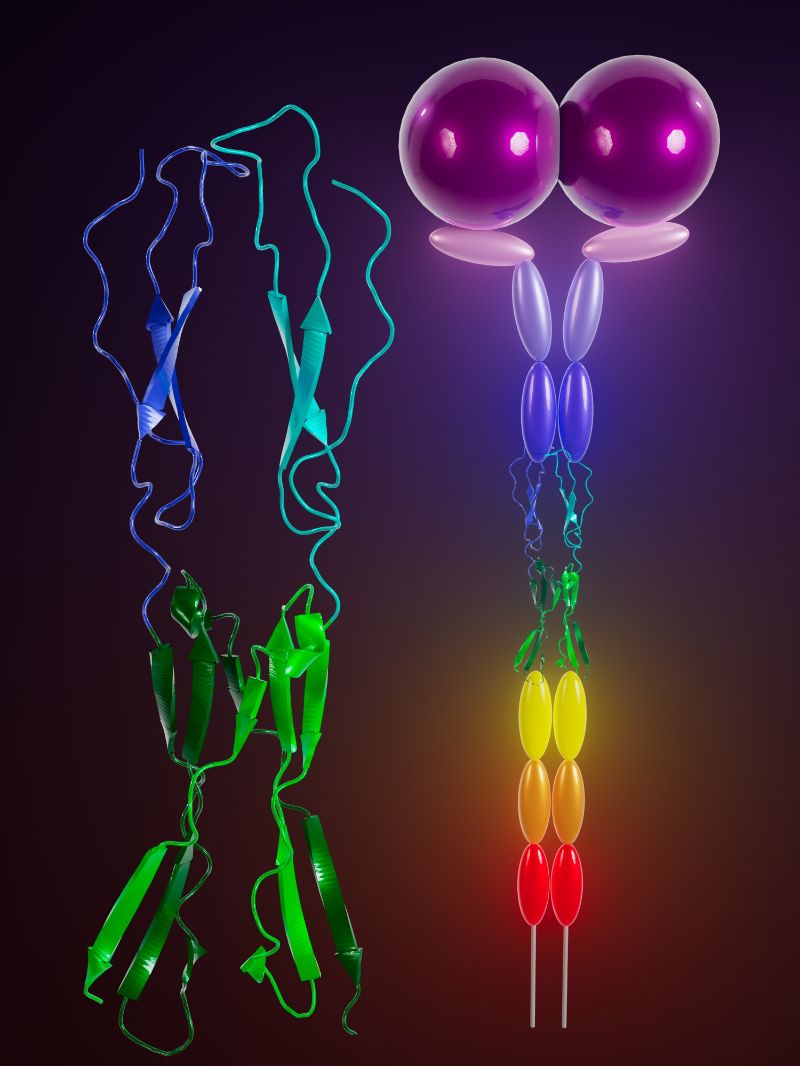 Structure and function of Semaphorin-5A glycosaminoglycan interactions.Nat Commun. 2024
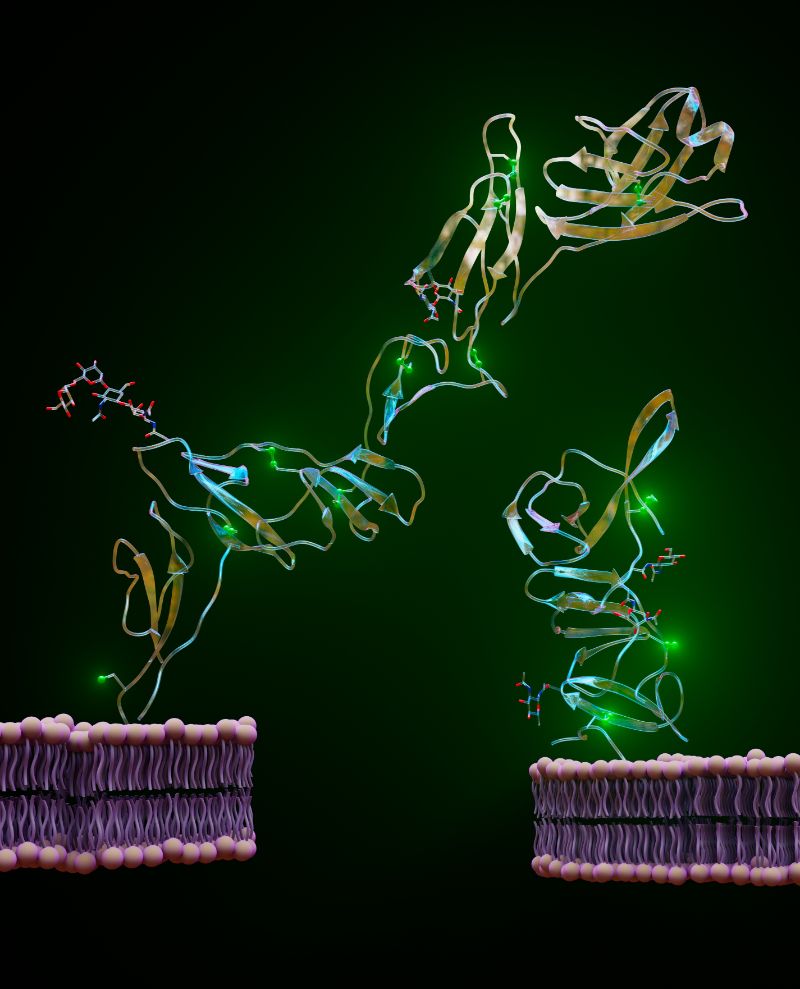 Structural comparison of typical and atypical E2 pestivirus glycoproteins. Structure 2024.
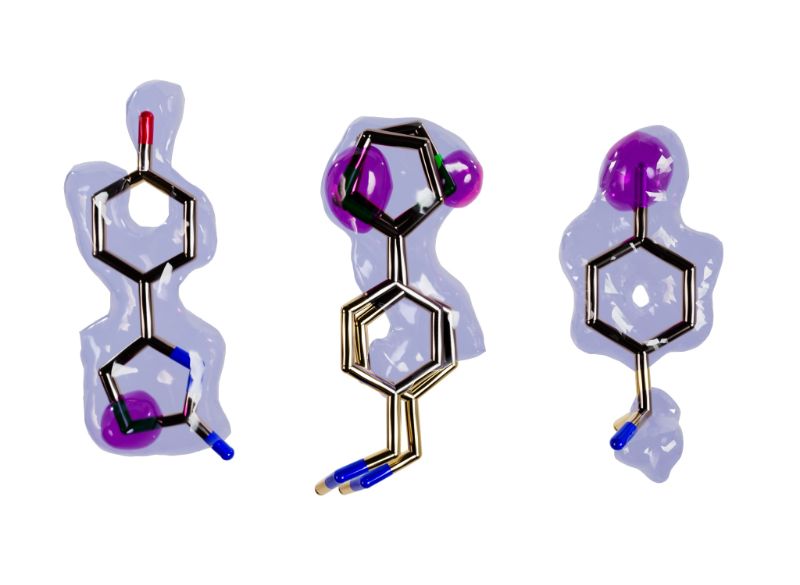 High-confidence placement of fragments into electron density using anomalous diffraction - a case study using hits targeting SARS-CoV-2 non-structural protein 1. Int J Mol Sci. 2023
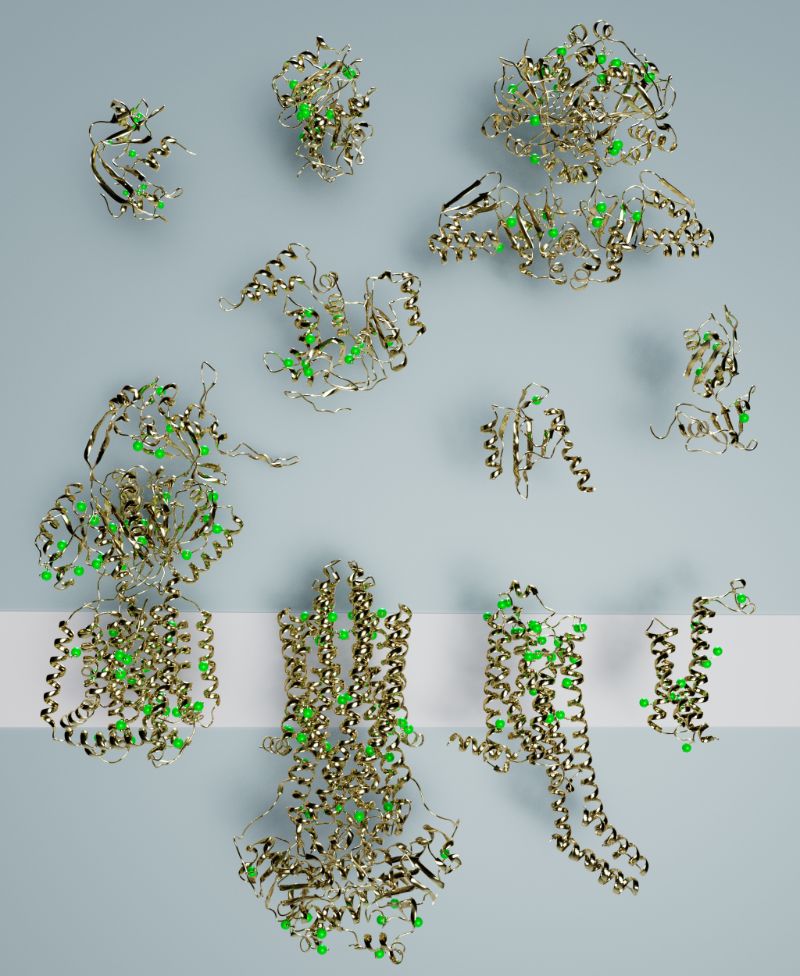 Experimental phasing opportunities for macromolecular crystallography at very long wavelengths. Commun Chem. 2023.
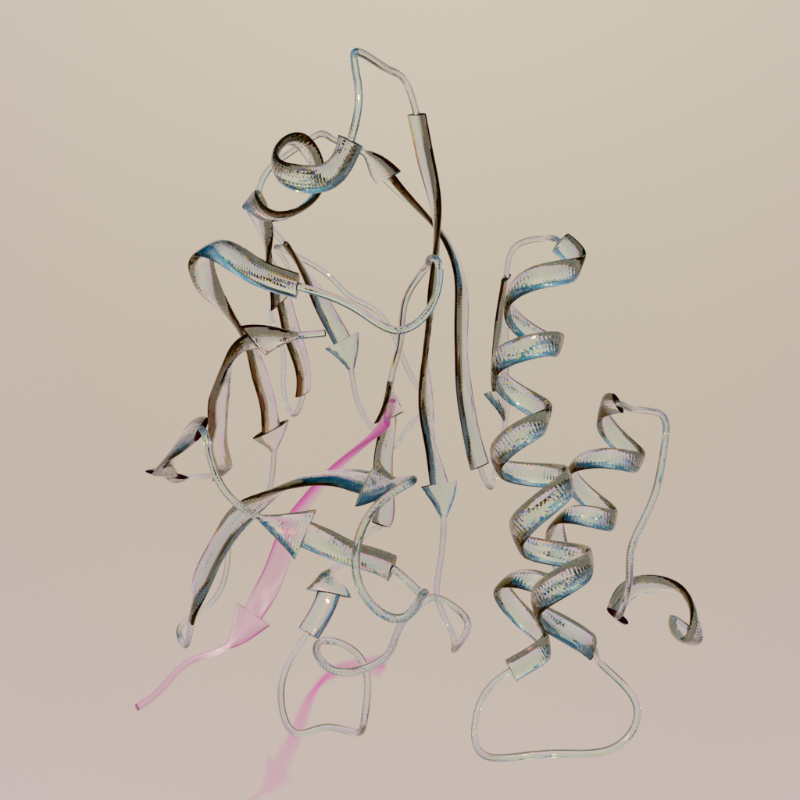 GPR97 triggers inflammatory processes in human neutrophils via a macromolecular complex upstream of PAR2 activation. Nat Commun. 2022.
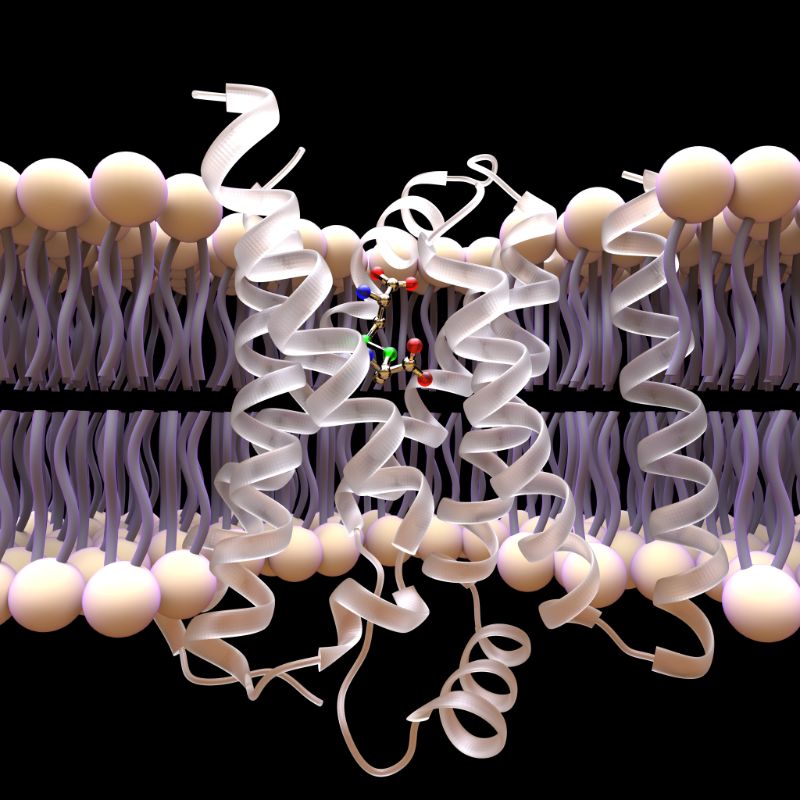 Structural basis for proton coupled cystine transport by cystinosin. Nat Commun. 2022.
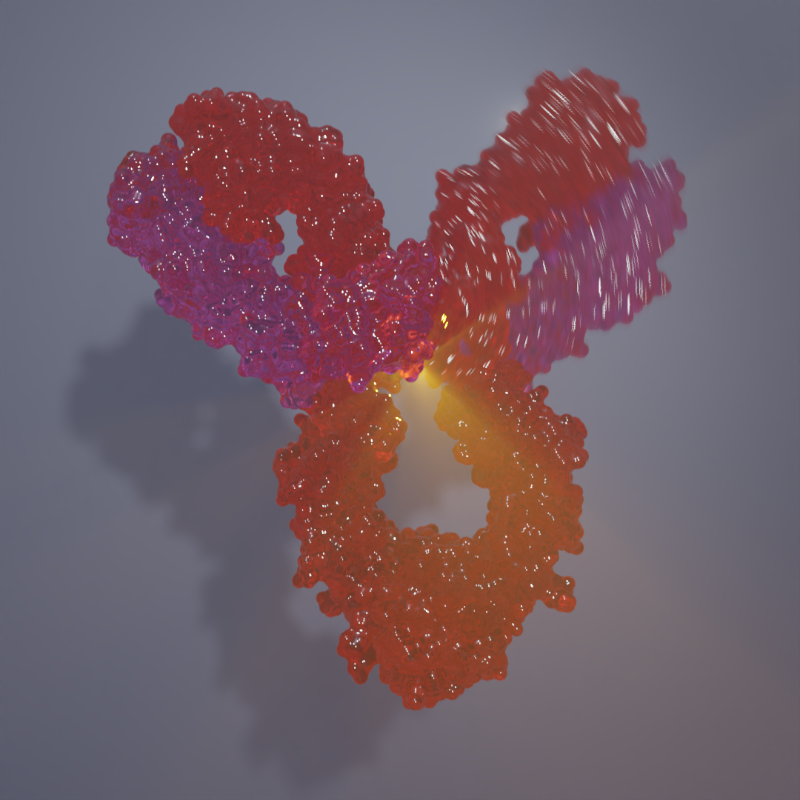 Hinge disulfides in human IgG2 CD40 antibodies modulate receptor signaling by regulation of conformation and flexibility. Sci. Immunol. 2022.
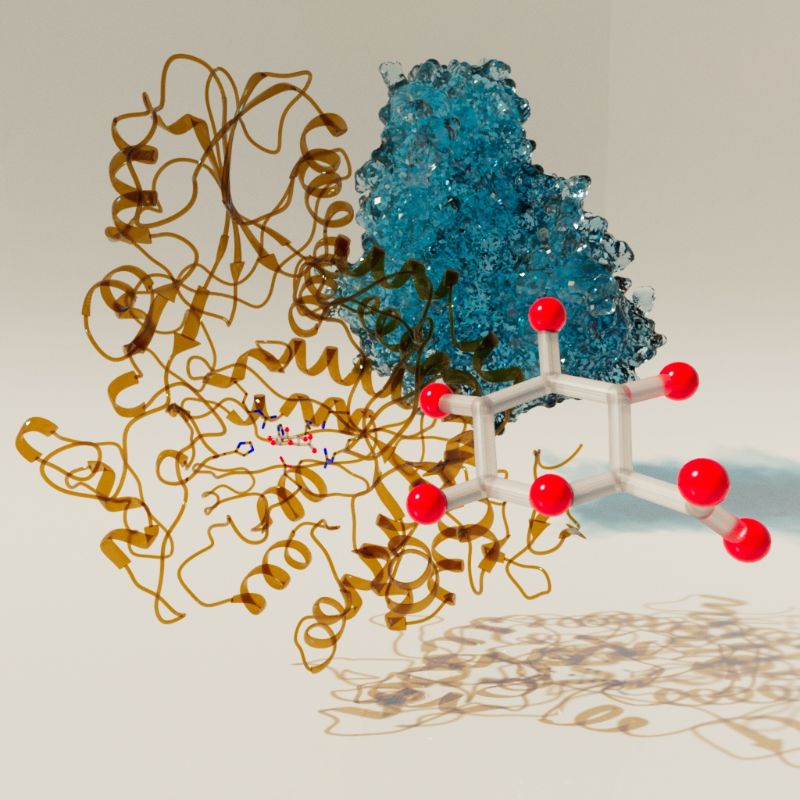 Functional metagenomic screening identifies an unexpected β-glucuronidase. Nat. Chem. Biol. 2022.
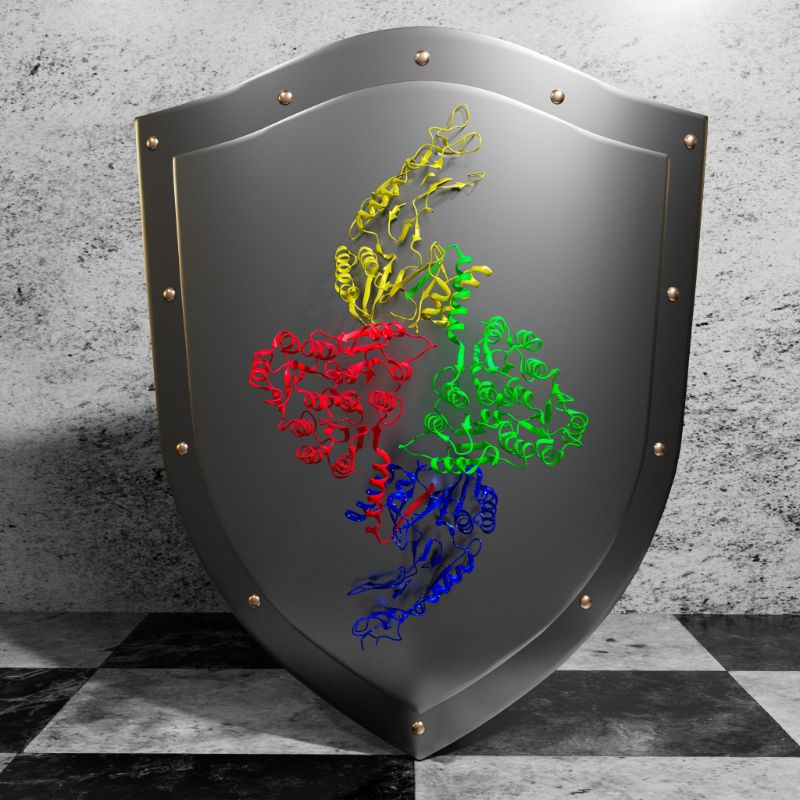 Structure and assembly of the S-layer in C. difficile. Nat Commun. 2022.
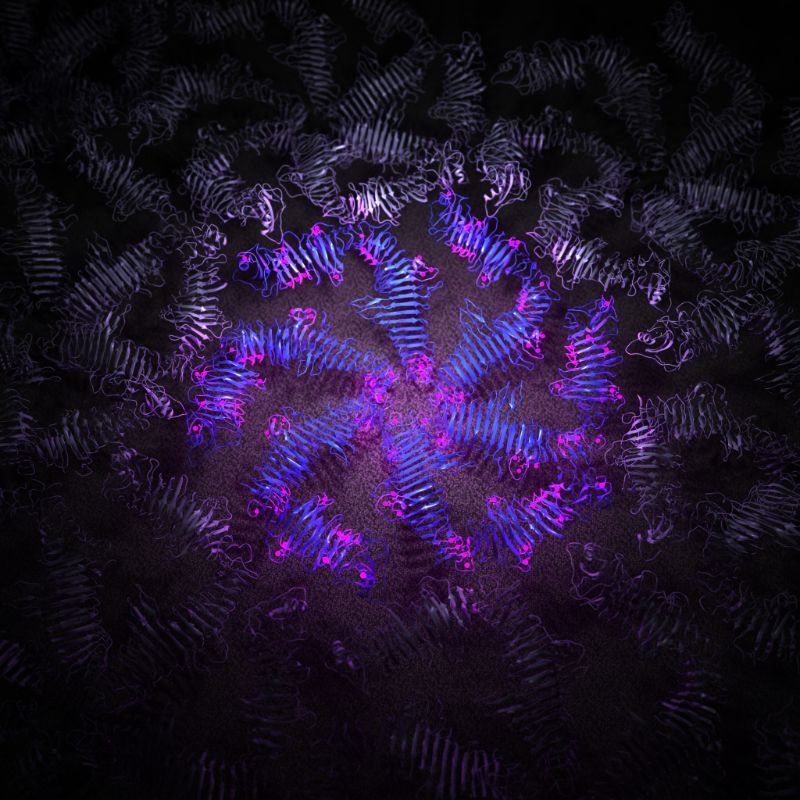 High-resolution mapping of metal ions reveals principles of surface layer assembly in Caulobacter crescentus cells. Structure, 2022.
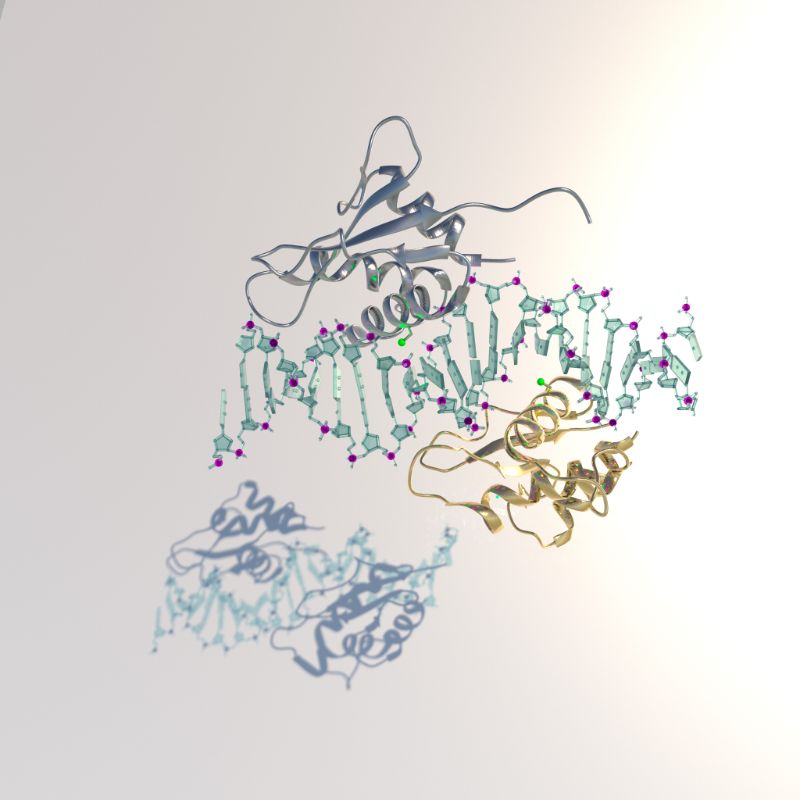 Phosphorus and sulfur SAD phasing of the nucleic acid-bound DNA-binding domain of interferon regulatory factor 4. ActaF, 2021.
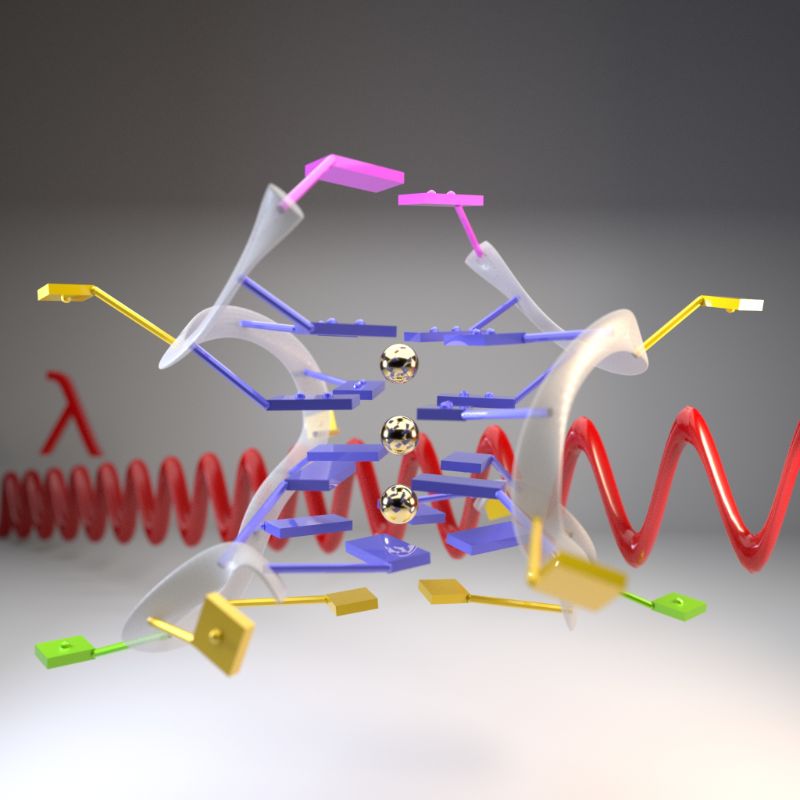 Native de novo structural determinations of non-canonical nucleic acid motifs by X-ray crystallography at long wavelengths. Nucleic Acids Res. 2020.
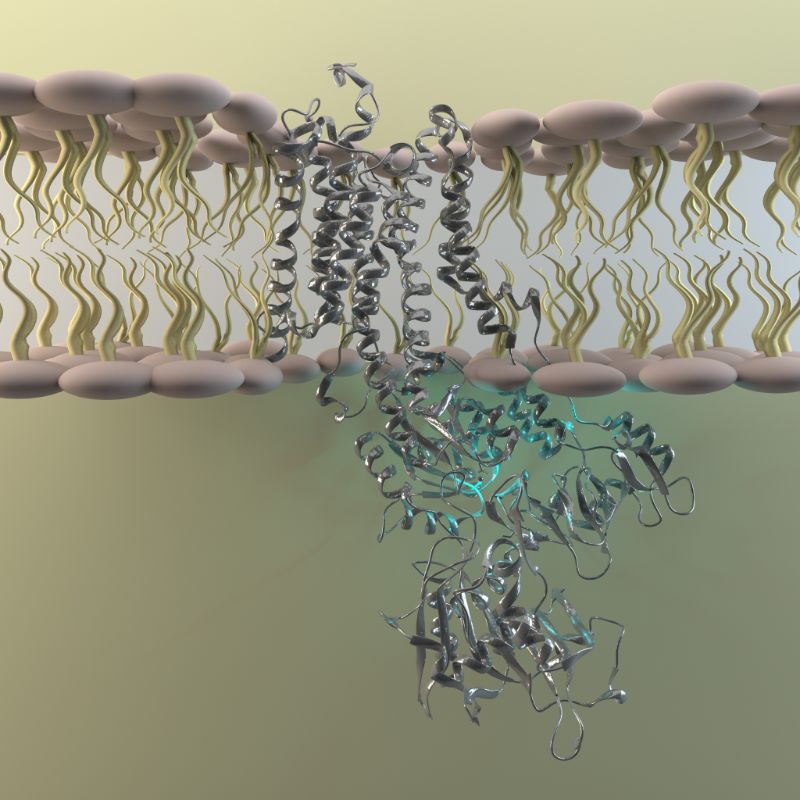 Experimental phasing with vanadium and application to nucleotide-binding membrane proteins. IUCrJ. 2020.
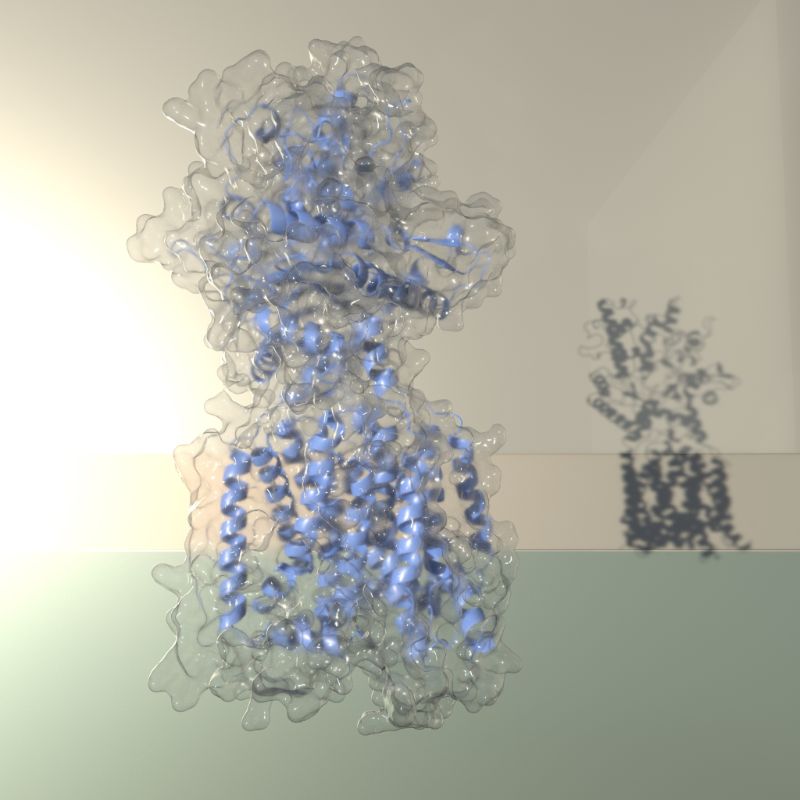 The morphogen Sonic hedgehog inhibits its receptor Patched by a pincer grasp mechanism. Nat Chem Biol. 2019.
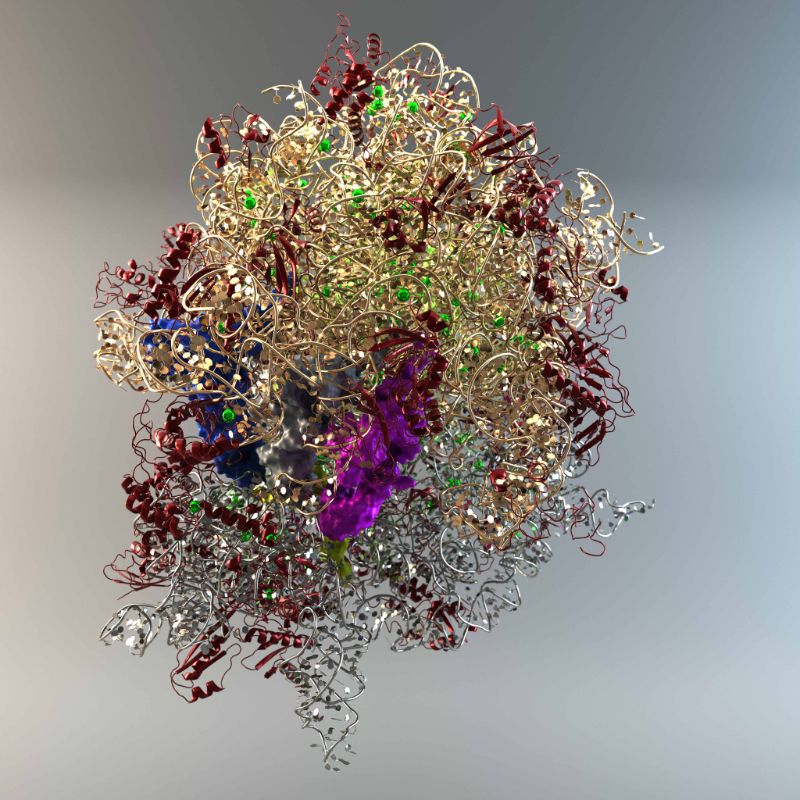 Importance of potassium ions for ribosome structure and function revealed by long-wavelength X-ray diffraction. Nat Commun. 2019.
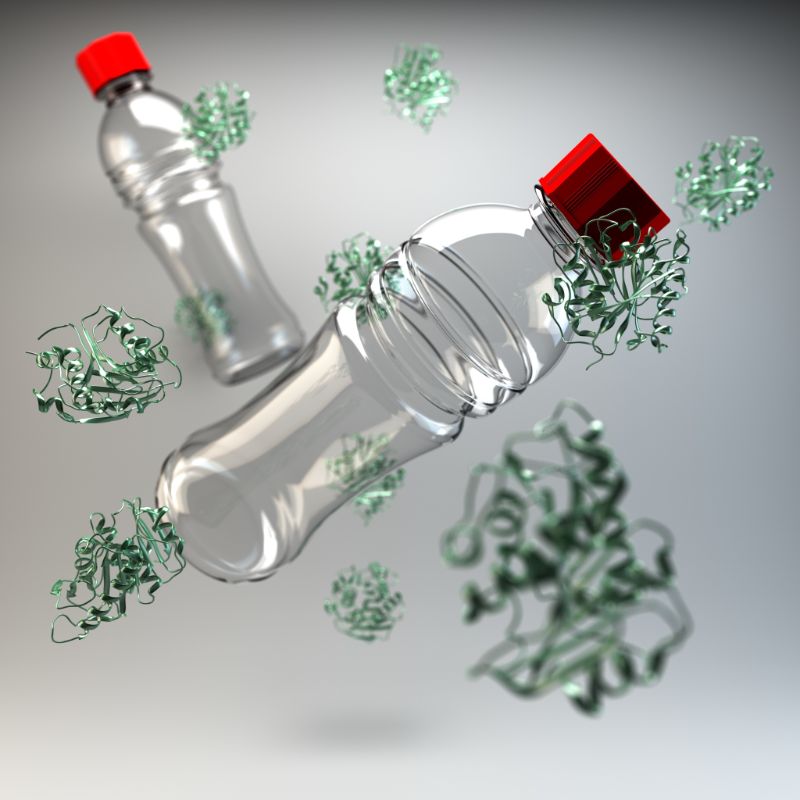 Characterization and engineering of a plastic-degrading aromatic polyesterase. PNAS, 2018.
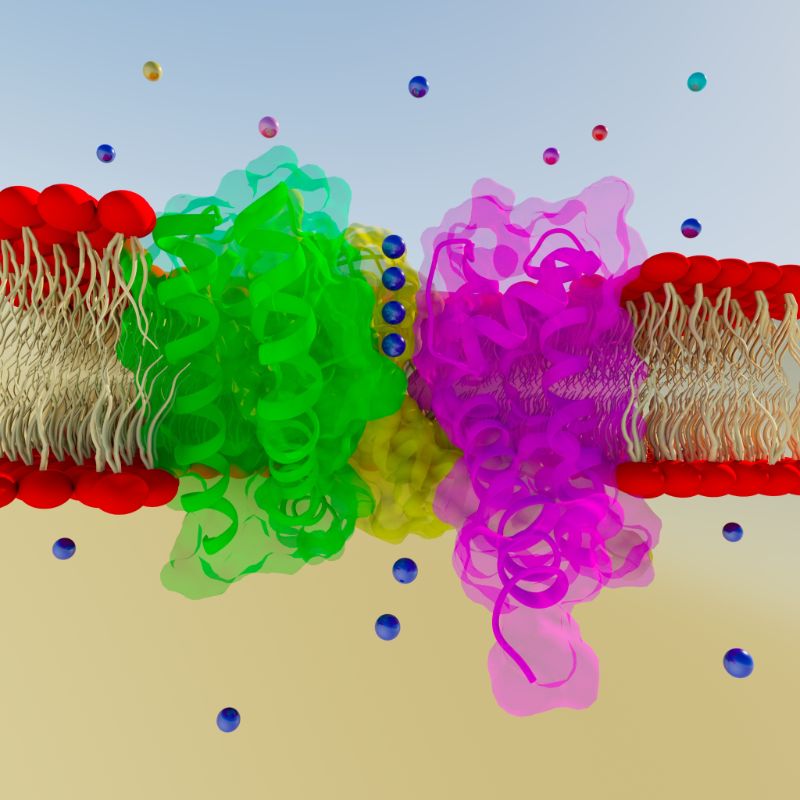 Anomalous X-ray diffraction studies of ion transport in K+ channels. Nat Commun. 2018.
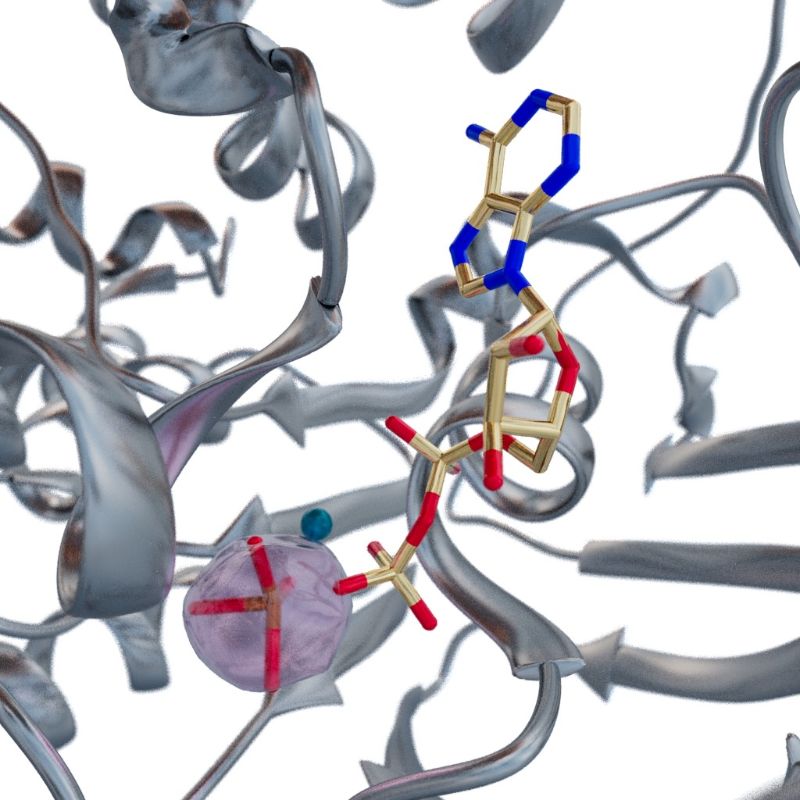 Structural basis for antibacterial peptide self-immunity by the bacterial ABC transporter McjD. Embo J. 2017.
❮
❯
Structural basis for antibacterial peptide self-immunity by the bacterial ABC transporter McjD. Embo J. 2017.
❮
❯
Structures of proteinase 3 and the CD177 receptor complex reveal a major autoantibody epitope. EMBO Rep. 2026.
Experimental localization of metal-binding sites reveals the role of metal ions in type II DNA topoisomerases. PNAS. 2024
Utilizing anomalous signals for element identification in macromolecular crystallography. ActaD. 2024.
Ray-tracing analytical absorption correction for X-ray crystallography based on tomographic reconstructions. J. Appl. Crystallogr. 2024
Molecular mechanism of BMP signal control by Twisted gastrulation. Nat Commun. 2024.
Structure and function of Semaphorin-5A glycosaminoglycan interactions.Nat Commun. 2024
Structural comparison of typical and atypical E2 pestivirus glycoproteins. Structure 2024.
High-confidence placement of fragments into electron density using anomalous diffraction - a case study using hits targeting SARS-CoV-2 non-structural protein 1. Int J Mol Sci. 2023
Experimental phasing opportunities for macromolecular crystallography at very long wavelengths. Commun Chem. 2023.
GPR97 triggers inflammatory processes in human neutrophils via a macromolecular complex upstream of PAR2 activation. Nat Commun. 2022.
Structural basis for proton coupled cystine transport by cystinosin. Nat Commun. 2022.
Hinge disulfides in human IgG2 CD40 antibodies modulate receptor signaling by regulation of conformation and flexibility. Sci. Immunol. 2022.
Functional metagenomic screening identifies an unexpected β-glucuronidase. Nat. Chem. Biol. 2022.
Structure and assembly of the S-layer in C. difficile. Nat Commun. 2022.
High-resolution mapping of metal ions reveals principles of surface layer assembly in Caulobacter crescentus cells. Structure, 2022.
Phosphorus and sulfur SAD phasing of the nucleic acid-bound DNA-binding domain of interferon regulatory factor 4. ActaF, 2021.
Native de novo structural determinations of non-canonical nucleic acid motifs by X-ray crystallography at long wavelengths. Nucleic Acids Res. 2020.
Experimental phasing with vanadium and application to nucleotide-binding membrane proteins. IUCrJ. 2020.
The morphogen Sonic hedgehog inhibits its receptor Patched by a pincer grasp mechanism. Nat Chem Biol. 2019.
Importance of potassium ions for ribosome structure and function revealed by long-wavelength X-ray diffraction. Nat Commun. 2019.
Characterization and engineering of a plastic-degrading aromatic polyesterase. PNAS, 2018.
Anomalous X-ray diffraction studies of ion transport in K+ channels. Nat Commun. 2018.
Structural basis for antibacterial peptide self-immunity by the bacterial ABC transporter McjD. Embo J. 2017.

Diamond Light Source is the UK's national synchrotron science facility, located at the Harwell Science and Innovation Campus in Oxfordshire.
Diamond Light Source Ltd
Diamond House
Harwell Science & Innovation Campus
Didcot
Oxfordshire
OX11 0DE
Copyright © Diamond Light Source. Diamond Light Source® and the Diamond logo are registered trademarks of Diamond Light Source Ltd
Registered in England and Wales at Diamond House, Harwell Science and Innovation Campus, Didcot, Oxfordshire, OX11 0DE, United Kingdom. Company number: 4375679. VAT number: 287 461 957. Economic Operators Registration and Identification (EORI) number: GB287461957003.